







Insects up close. Urban neighbours
Starting May 8, 2026
You share your daily life with them, even though you almost never see them. When was the last time you took a close look at your smallest neighbors?
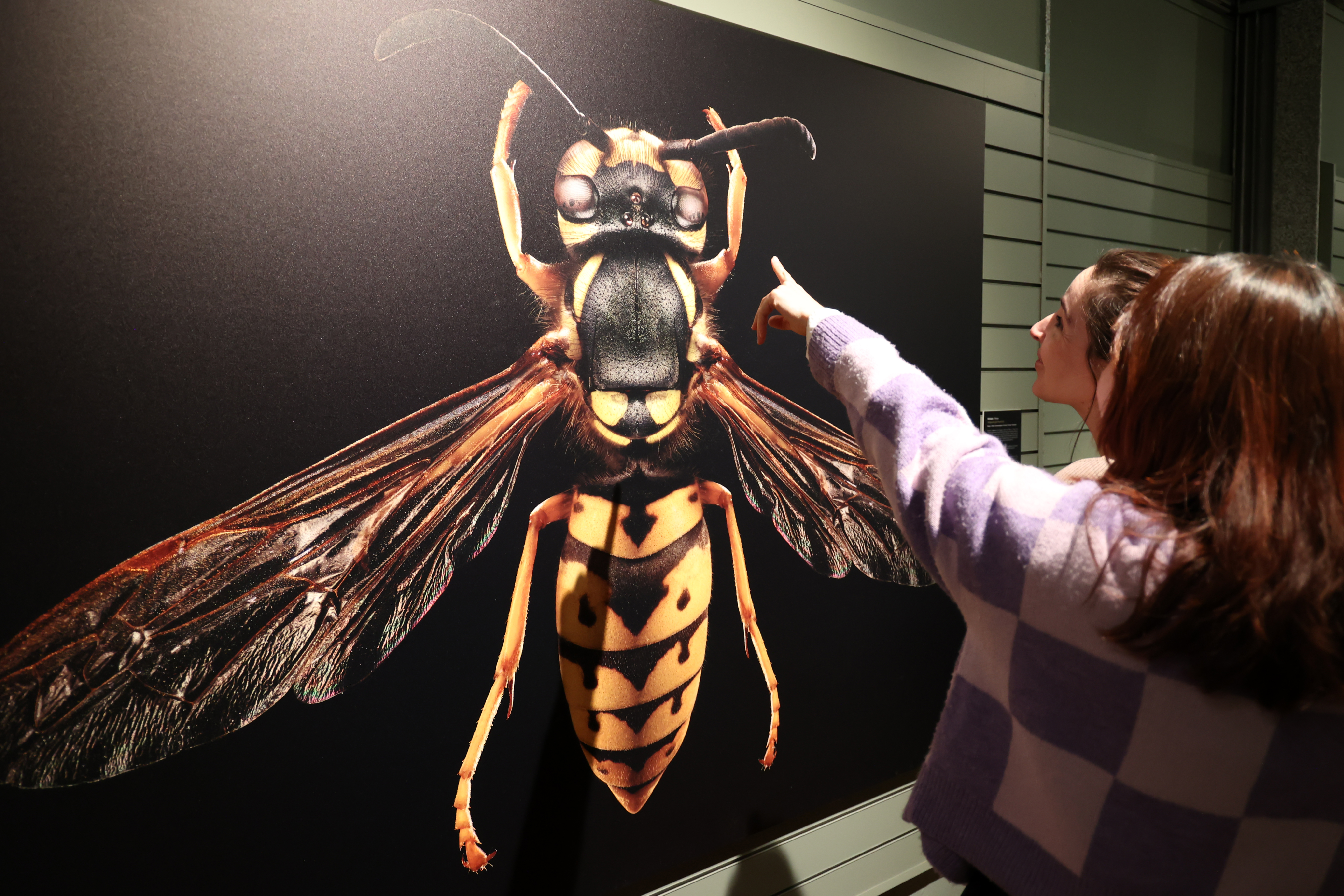
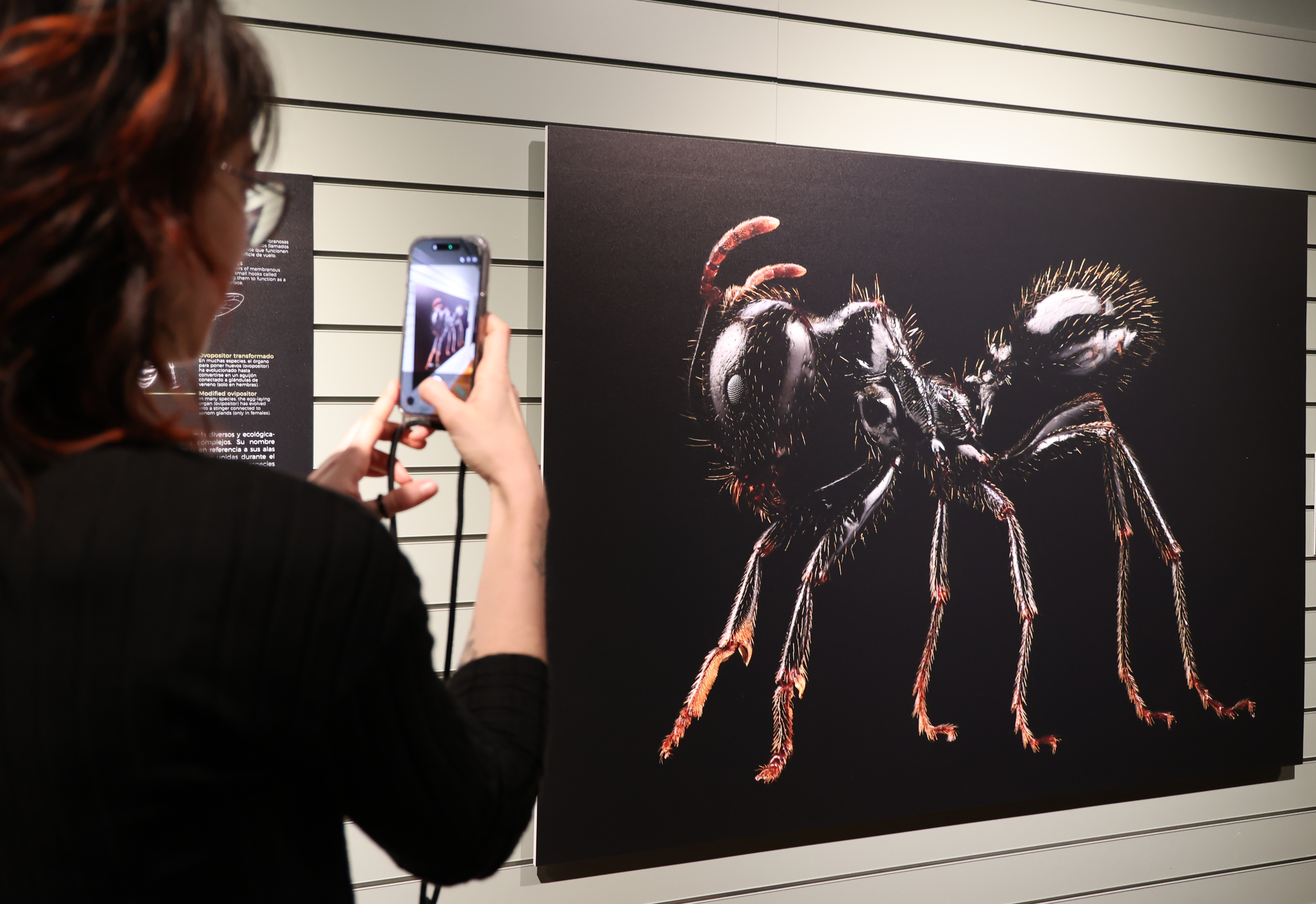
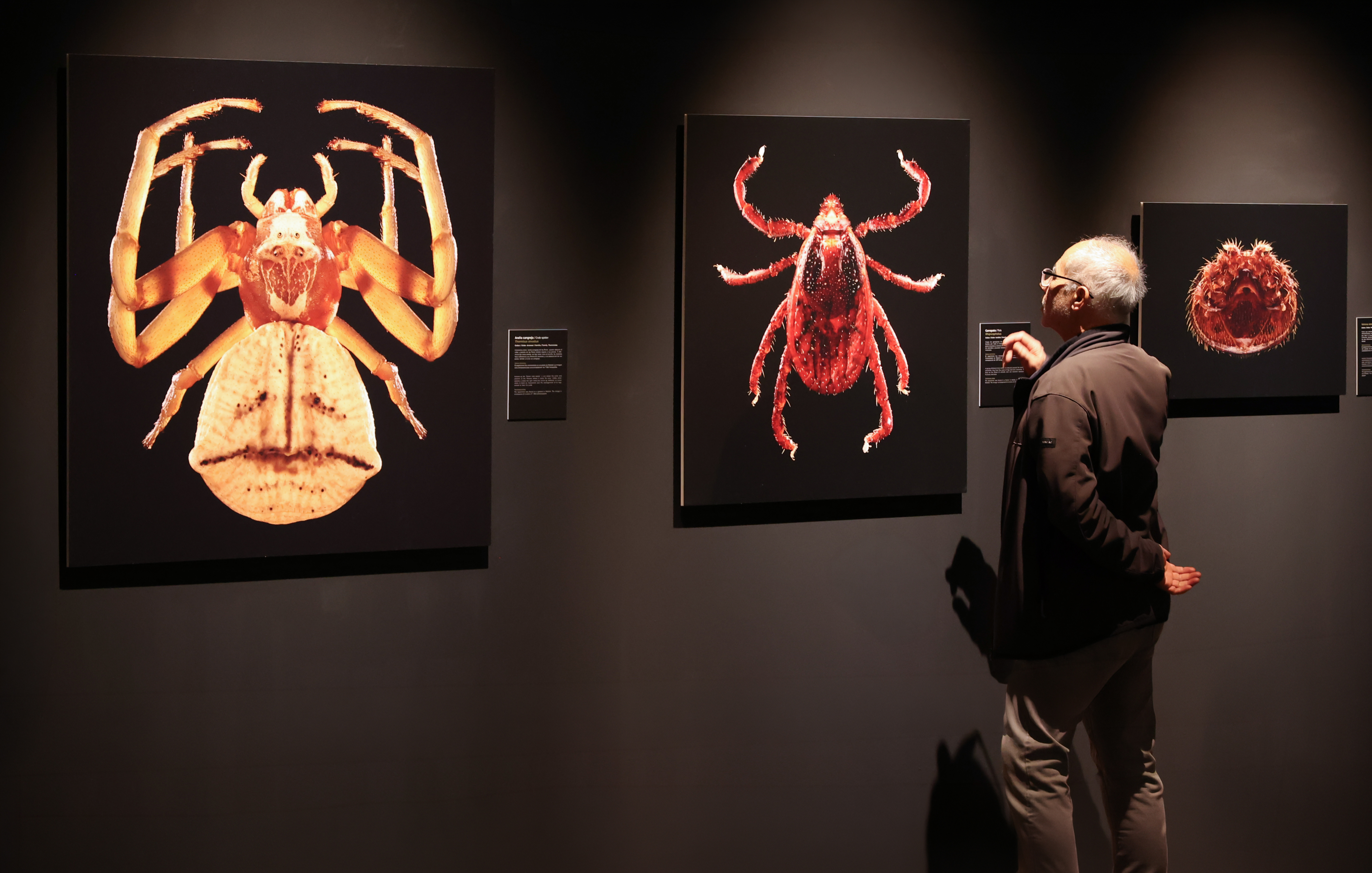
This project, carried out in collaboration with the Museo Nacional de Ciencias Naturales, aims to bring common species found in urban environments — mainly from the Iberian Peninsula — closer to the public. Through the photocomposition of hundreds of photomicrographs, the project seeks to present both familiar species and others that usually go unnoticed in a way that makes the viewer feel hundreds of times smaller, allowing them to observe the animals in extraordinary detail. By enlarging the animals in this way, the public shifts from looking down on them to meeting them face to face, overcoming size as the dividing line between arthropods and ourselves.
The author, Máher Fahim Fernández, is a biologist with a master’s degree in biodiversity, an expert in scientific imaging, and a professional photographer. For as long as he can remember, he has lived between science and art, considering himself an observant and patient person — two essential qualities for both research and photography.
This project emerged after discovering museums’ need to digitize their invertebrate collections. On one hand, specimens kept in storage for long periods can lose their original colors and appearance; on the other, without this process many details remain indistinguishable to the human eye. All of this led the author to devise a format that could solve these problems while also adding an extra sense of majesty to the specimens, recognizing the importance of this aspect in science communication.
These images are photocompositions made from hundreds or even thousands of photographs, allowing the entire specimen to remain perfectly in focus and enabling enlargements far beyond the original size of the sample. The process also employs various lighting schemes for each specimen, depending on the texture of the animal’s exoskeleton, its volume, colors, and transparency, combining them according to the specific subject. Each animal receives individualized, customized lighting based on its characteristics. This technique makes it possible to create lighting compositions that would be impossible to achieve with a single setup and therefore impossible to observe in a natural environment. Thanks to this, specific structures can be highlighted and the colors and textures of the animal enhanced in ways never seen before.
1º planta